Best Cultural Experiences in Bali
for First-Time Visitors with Food Allergies
The best things about Bali have nothing to do with food. Kecak fire dances at sunset, rice terrace walks at dawn, temple ceremonies, silver workshops. Most of Bali's distinctive cultural experiences are entirely food-free. Here is how to plan an experience-rich trip around the ones that are, and how to navigate the ones that are not.
Food-free cultural experiences: the full list
These experiences involve no food contact and no allergy risk. They represent a substantial part of what makes Bali distinctive.
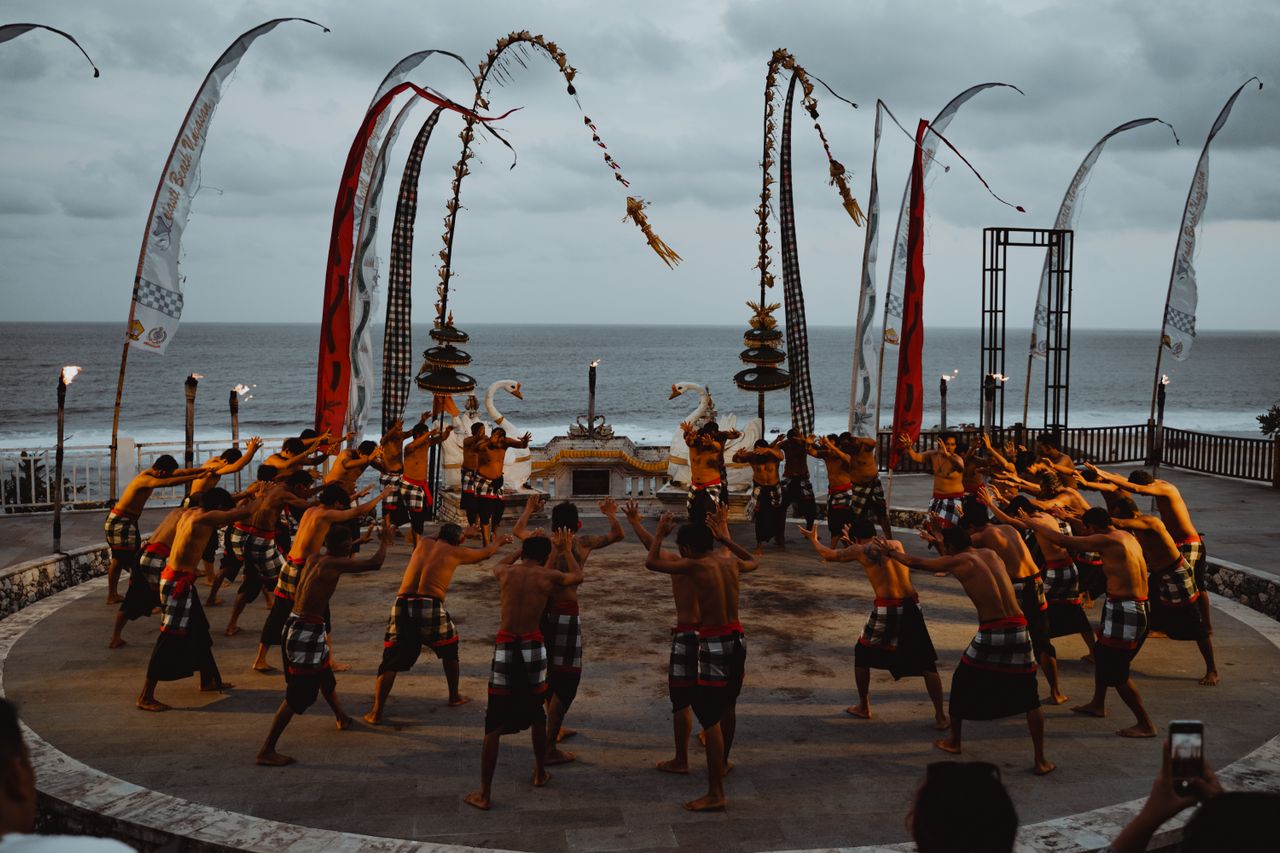
Kecak fire dance at Uluwatu or Tanah Lot
Food-freeBali's most iconic performance experience. Held at cliff-edge temples at sunset, the Kecak dance reenacts scenes from the Ramayana through chanting, movement, and fire. No food is involved. The Uluwatu performance specifically is one of the most visually compelling cultural experiences in Southeast Asia. Book in advance, particularly during peak season.
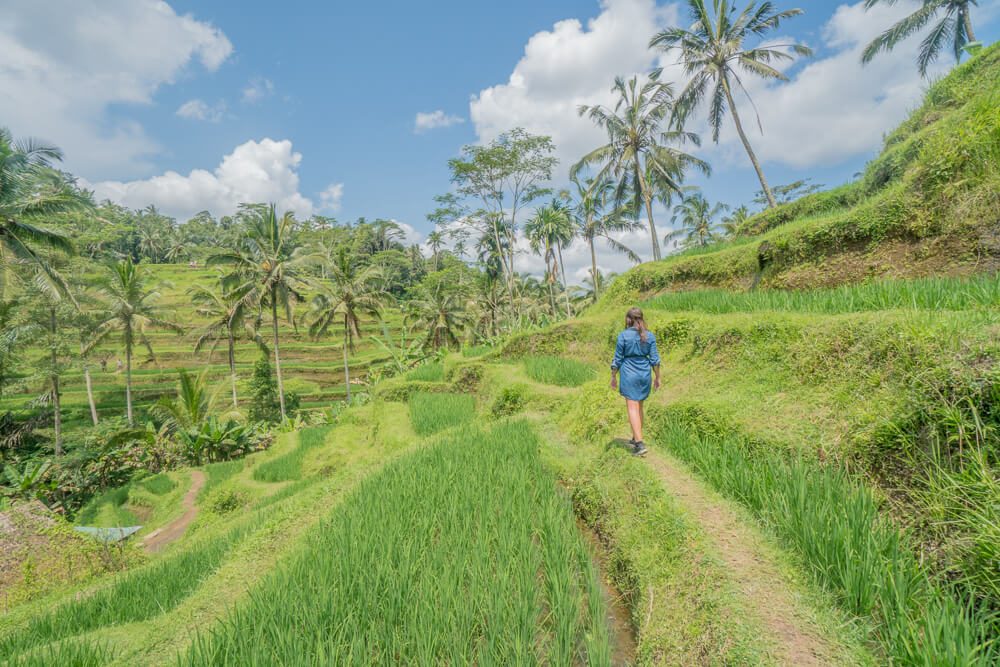
Tegallalang rice terrace walk (Ubud)
Food-freeThe terraced rice paddies north of Ubud are worth the walk. Early morning (before 8am) is quieter and cooler. No food involved; vendors along the path sell drinks and snacks, which you are not obligated to engage with.
Temple visits: Tanah Lot, Besakih, Tirta Empul
Low risk: ceremonial offerings possibleBali's temple circuit is central to understanding the island's Hinduism. Most visits are purely observational for foreign tourists. At Tirta Empul (water purification temple), participation in the holy spring ritual is food-free. At some ceremonies, small prasad offerings (consecrated food) may be extended to visitors. Decline politely with hands pressed together and "terima kasih" (thank you). No guide will take offense and the experience is not diminished.
Batik, silver, and traditional craft workshops
Food-freeCeluk village near Ubud is Bali's silversmithing center. Batik workshops in the Ubud area teach traditional wax-resist fabric dyeing. Neither involves food. Both give direct access to craft traditions that have been practiced in Bali for generations. Half-day workshops are the most common format and are bookable through most tour operators.
Waterfall hikes: Sekumpul, Gitgit, Nungnung
Food-freeNorth Bali's waterfall circuit is a different Bali entirely from the beach resort south. Sekumpul in particular is widely considered the most beautiful waterfall in Bali. The hikes require reasonable fitness and good footwear. No food involvement. Bring water and be aware that the drive from Seminyak to north Bali is 1.5 to 2 hours.
Sunrise at Mount Batur
Low risk: basic food typically offered at summitThe active volcano trek is one of Bali's most popular experiences. The 2-hour hike begins at 2am to reach the summit for sunrise. Most tour packages include a basic breakfast at the summit (typically boiled eggs and toast cooked on the volcanic steam). This can be declined and operators generally expect it, communicate your allergy at booking and confirm you will bring your own food for the summit.
Bali cooking classes: the best food-contact cultural experience
If you want a food experience in Bali that is both cultural and manageable for allergy travelers, a Balinese cooking class is the answer. Most classes start with a market tour to source ingredients, then move to a working kitchen where you prepare 5 to 8 dishes.
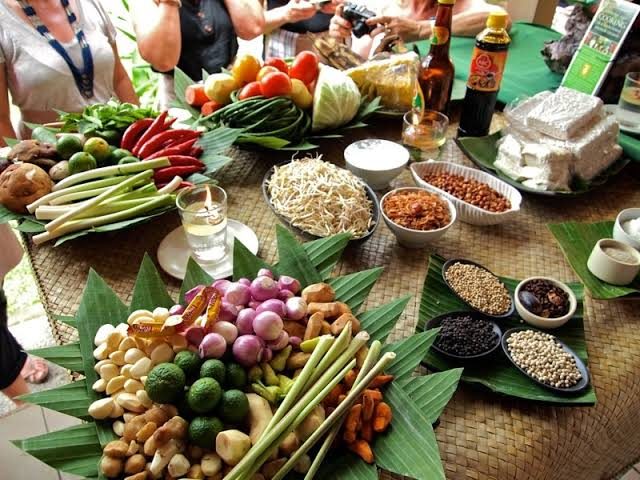
What to communicate before booking a Bali cooking class:
- Your specific allergen(s) and all derivatives (for shellfish: terasi, ebi, udang)
- Whether the class can prepare alternative spice paste without your allergen
- Whether the market visit portion involves sampling food or is observational only
- Whether the class uses a fixed ingredient list sourced in advance (more predictable) or market-sourced day-of
Balinese spice pastes hide shellfish (terasi) in dishes that look plant-based. Check specific Indonesian dishes for hidden allergens in the Allergy Risk Checker before a cooking class or market tasting.